
We Are Impermanent
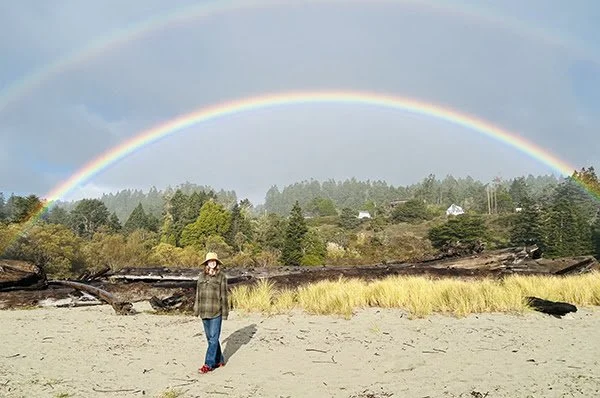
Last week I attended a village skill-share gathering at a friend's house here on the coast of Northern California. A daughter of my friend (actually, the daughter is my friend too!) gathered a small group of about 10 or 12 young adults together. They camped in the grass next to the garden, cooked for each other, and taught each other things like embodied archetype practice, somatic art, and goatskin pouch sewing. It was a fluid gathering put together by circle council rather than plans made ahead of time. They followed the ebb and flow of group and individual interest and energy. I was lucky enough to attend some of the gathering!! I taught a yoga class, and Joe offered peace chains. At first I was nostalgic for my youth, remembering so vividly what it was like to have the sense of possibility ahead of me and a body that sleeps well. Then I started looking into their faces and hearing bits of conversation, and it became clear that being young is no protection from heartache and pain—what the Buddhists call "dukkha." We all have problems and preoccupations; it doesn't matter whether you are 25 or 55. The stories and challenges shift, but the fact of dukkha remains. Life for me is so changed from 30 years ago. I have a completely different context and experience now with its own specific heartaches (dukkha, dukkha!) and joys.
I moved away from the Bay Area 6 and a half years ago to open Pudding Creek. The East Bay was my home for decades, but it was clear that it was time to move on. I was so excited—hopeful and inspired—that I didn't think much about who and what I was leaving behind. It turns out that I had good timing; we left 6 months before the pandemic hit and my home yoga studio (I love Namaste) closed. Now more than half a decade later, I still wake up in the morning surprised to find myself living here in an apple orchard surrounded by deep forest. My identity and roles have shifted again. Who am I in this new life?
We say change is the only constant, and the Buddhists say all things are impermanent. Yet when we have an illness or injury or when we fall in love or have a child, we forget this beautiful and terrifying principle of change. We can't know where life will take us, whether we have chosen the changes or they are forced through illness, loss, or death.
All of the time while teaching, I talk about meeting the moment and body that is right here in front of us. Mindfulness helps us to see clearly and find the appropriate response to what are the new identities and challenges that we all face as time flows through us.
If I am honest with you, I have been struggling a bit with the shifts in identity. From city person to rural person. From a young person teaching yoga in a full studio to someone who gets excited about compost and dahlia tubers. There are big and small changes every day.
Sylvia Boorstein, a wise Buddhist teacher, offers one of my favorite mantras: “May I meet this moment fully. May I meet it as a friend.” Some days I live that easily. Other days, it's like I’m knocking on a door I’m not sure will open. This is the practice! We are not becoming someone stable and finished but learning how to keep meeting the life that is here—even when it’s unfamiliar, even when it’s not the one we would have chosen.
Standing in the orchard in the morning under the misty sky, still a little amazed to be here, I am learning to trust that I can meet the changes fully and as a friend, with warmth and care.